

1. Who Should Consider AGA/Hair Loss Treatment
AGA and FAGA (female hair loss) do not progress suddenly overnight.They are conditions where subtle changes accumulate over time, often unnoticed.The AGA treatment at Flora Clinic Ikebukuro, a cosmetic surgery and dermatology clinic,is not solely focused on “promoting hair growth at any cost.” It is designed considering the progression stage, future risks, and the patient’s values regarding treatment.It is suitable for those with concerns such as:
-
Those unsure which AGA treatment to choose
AGA treatments include oral medications, topical treatments, injection therapies, regenerative medicine approaches, and more.
With so many options, feeling overwhelmed and thinking, “I don’t know what’s right for me,” is precisely when structured treatment planning by a physician is crucial. -
Those feeling limited results from oral or topical medications alone
For those already using oral or topical medications who feel:
- Results have plateaued
- Hair loss hasn’t completely stopped
- Hair has become finer
Combining growth factor therapy offers an additional option.
-
Those wanting early intervention to prevent future hair thinning
“It’s still mild, but I’m worried about progression”
“Many family members have thinning hair, making me anxious about the future”
At this stage, AGA treatment is crucial for suppressing progression while optimizing the hair environment.
At Flora Clinic Ikebukuro, a cosmetic surgery and dermatology clinic, we prioritize treatment plans that look ahead several years, not just your current condition. -
Those seeking AGA treatment in Japan
This approach is ideal for those seeking AGA treatment under Japan’s medical system, where physicians conduct examinations, provide explanations, and design treatment plans, allowing you to receive care with peace of mind.
-
Those interested in regenerative medicine or advanced treatments but wish to choose carefully
While terms like iPS factor or growth factor therapy may spark interest,
“Is this truly necessary for me?”
“Will it be safe for the future?”
For those carefully considering these questions, we offer treatment designs allowing for step-by-step selection. -
Those wishing to receive Japanese AGA treatment during a short stay
Through online counseling before arrival in Japan, treatment content, schedule, and precautions can be confirmed in advance, enabling a manageable treatment plan even during a short stay.

2. What is Flora Clinic’s AGA/FAGA Treatment?
AGA (male pattern hair loss) and FAGA (female pattern hair thinning) are not simply “symptoms of increased hair shedding,” but progressive conditions where the hair growth cycle itself becomes disrupted.
Therefore, treatments aimed solely at temporary hair regrowth or cosmetic changes often fail to deliver long-term satisfactory results.
At Flora Clinic Ikebukuro, a cosmetic surgery and dermatology clinic, we position AGA/FAGA treatment as a designed medical approach that addresses existing thinning hair while protecting future hair health.
1)Medical Background of AGA/FAGA Progression
While both AGA and FAGA involve the concern of “thinning hair,” they differ in their underlying causes and progression patterns.
AGA
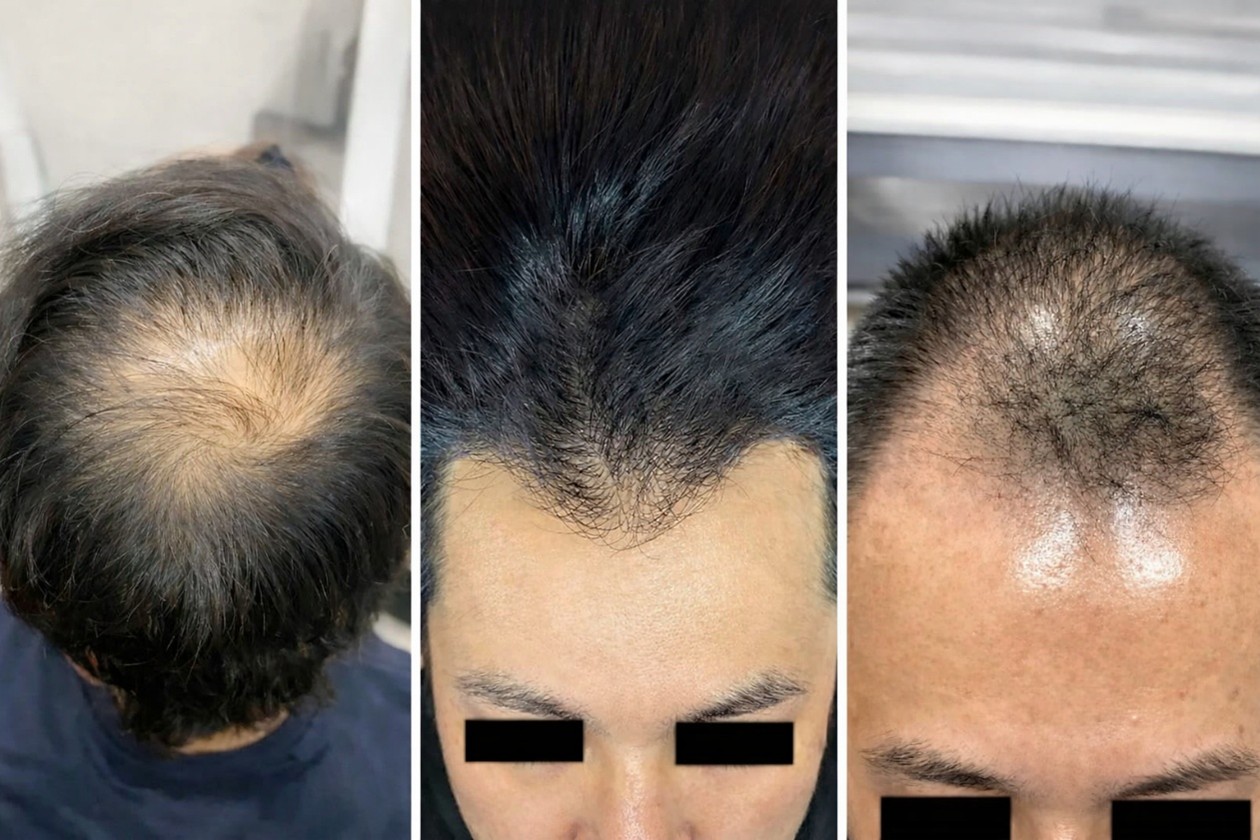
In AGA (Androgenetic Alopecia), influenced by male hormones (DHT),
- the growth phase shortens
- hair becomes finer and shorter
- thinning progresses primarily at the forehead and crown
such changes occur.
FAGA
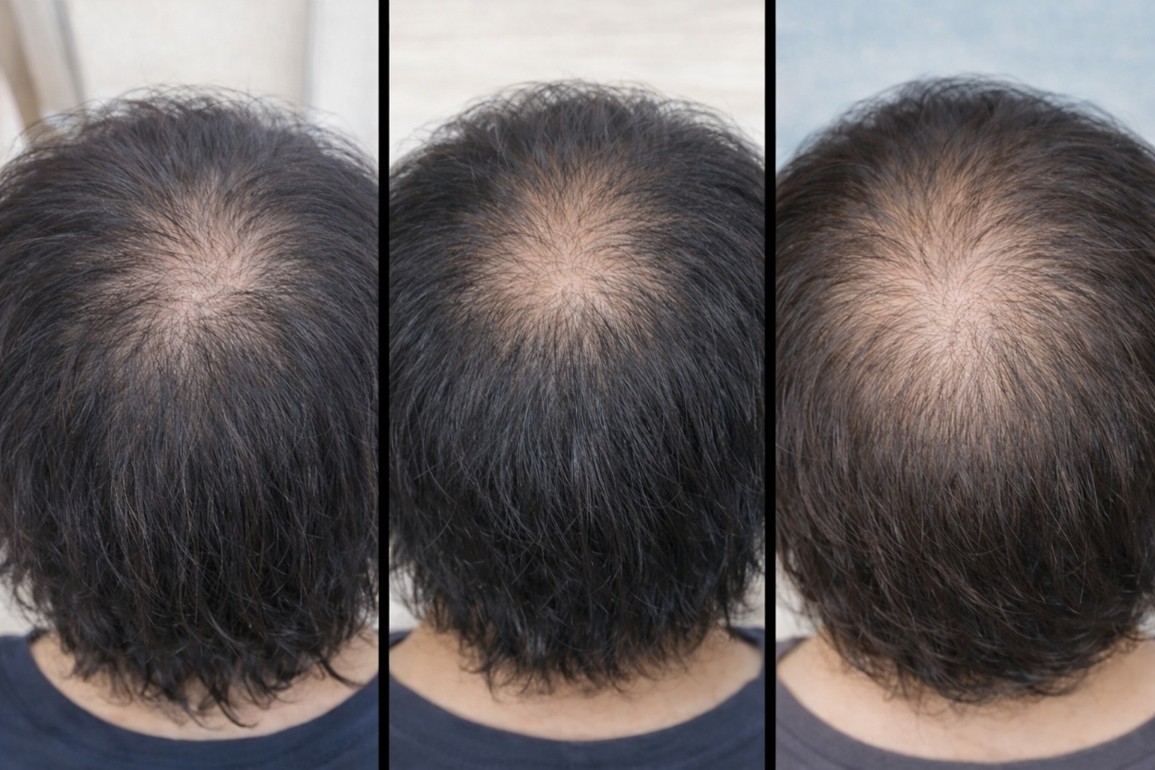
In FAGA (female hair loss), factors like hormonal balance changes, aging, and stress interact.
- Hair generally becomes finer
- Partings become more noticeable
- Volume decreases
This often progresses diffusely.
2)Why Oral and Topical Treatments Alone May Be Insufficient
Oral and topical medications play a fundamental role in AGA/FAGA treatment.
However,
- if hair has already become thin
- density has significantly decreased
- scalp recovery capacity is low
- or if medication choices are limited for women
sufficient improvement may be difficult to achieve with oral and topical treatments alone.
In such cases, combining growth factor therapy or regenerative medicine approaches becomes an important treatment option.
3)Flora Clinic Ikebukuro’s Approach to AGA/FAGA Treatment
Flora Clinic Ikebukuro’s hair loss treatment does not simply divide patients by “male or female.”
- Current Progression
- Follicle Responsiveness
- Age and Future Changes
- Lifestyle Background and Values
After comprehensively evaluating these factors, we design a personalized treatment plan for each individual.
Therefore,
- iPS Factor
- PDF-FD Therapy
- HARG+ Therapy
and other regenerative medicine approaches are selected and applied based on the specific characteristics of each AGA/FAGA case.
4)The Significance of Receiving AGA/FAGA Treatment in Japan
Japanese hair loss treatment is characterized not only by its strength and immediate effectiveness but also by its emphasis on safety, evidence-based practice, and long-term stability.At Flora Clinic Ikebukuro,regardless of gender,We place great importance on carefully explaining these points before treatment, ensuring patients make informed choices.For patients visiting from China, we offer pre-visit online consultations to reduce anxiety about receiving AGA/FAGA treatment in Japan for the first time.
3.Types and Positioning of AGA/FAGA Treatments
In AGA/FAGA treatment, the key is not “which treatment is strongest,” but which treatment plays the most appropriate role for the current condition.
At Flora Clinic Ikebukuro, a cosmetic surgery and dermatology clinic,we design treatment plans that combine the following three injection therapies with oral and topical medicationsin a phased and complementary manner.
1)iPS Factor Therapy ― A Next-Generation Approach Focused on Future Hair Environment ―
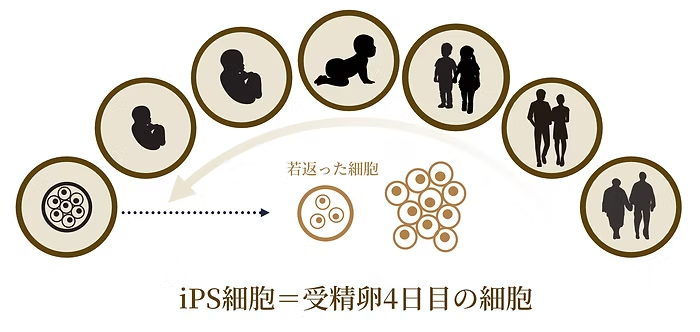
iPS Factor Therapy utilizes growth factors developed based on insights from iPS cell research, aiming to reactivate the hair follicle environment itself.
Once created and cultured, iPS cells can theoretically be stored and utilized long-term.
iPS Factor, derived from iPS cells created from the patient’s own cells, can be injected long-term at the necessary timing.
Unlike existing hair regrowth treatments, this approach is positioned not only to “thicken existing hair” but also to build the foundation for the future hair environment.
Suitable For
- Those seeking to suppress the progression of AGA/FAGA long-term
- Those wishing to address future thinning risks early
- Those interested in regenerative medicine approaches
- Both men and women prioritizing “nurturing” treatments
- Those preparing for anti-aging beyond AGA/FAGA
Next-Generation Anti-Aging & Reverse Aging “iPS Factor & Private Bank”
2)PDF-FD Therapy (C-PRP) ― Growth Factor Therapy Using Autologous Components ―
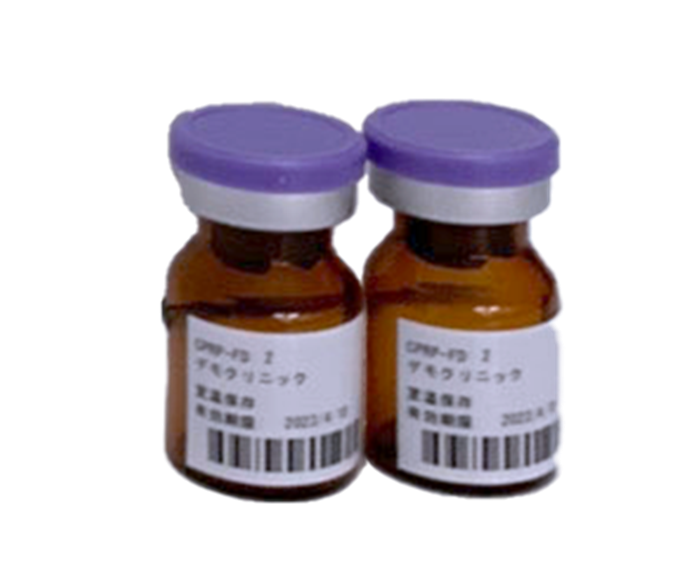
PDF-FD therapy involves freeze-drying (FD) plasma extracted from the patient’s own blood to stabilize growth factors, which are then administered to the scalp.
Using autologous components offers the advantage of high safety.
Growth factors aim to stimulate hair follicles and enhance their recovery capacity.
Suitable Candidates
- Those noticing increased hair loss
- Those concerned about thinning hair and reduced volume
- Those finding oral or topical treatments alone ineffective
- Those considering prevention of AGA/FAGA
PDF-FD (C-PRP) Therapy|A New Option for Skin Rejuvenation and AGA Hair Loss Treatment
3)HARG+ Therapy ― Proven Growth Factor Injection Treatment ―
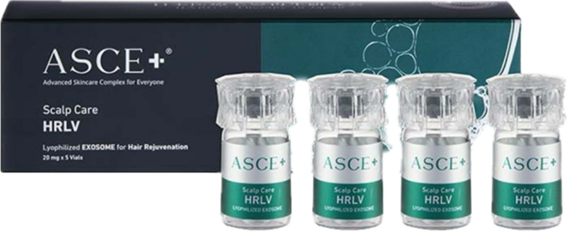
HARG+ Therapy is a treatment with proven results in Japan that involves directly injecting multiple growth factors into the scalp to promote hair follicle growth.
It inhibits the progression of hair thinning and promotes and sustains hair growth by suppressing dihydrotestosterone (a factor involved in hair thinning progression), and through its anti-cell aging, anti-inflammatory, and anti-tissue damage effects.
Furthermore, it promotes the growth of natural hair, and the hair growth effects continue even after treatment.
HARG+ therapy activates hair papilla cells with highly purified exosome preparations to promote the growth of natural hair, making it suitable for a wide range of people suffering from thinning hair, regardless of age or gender.
Suitable for
- Those who already have clearly progressing thinning hair
- Those who want treatment that makes hair growth easy to see
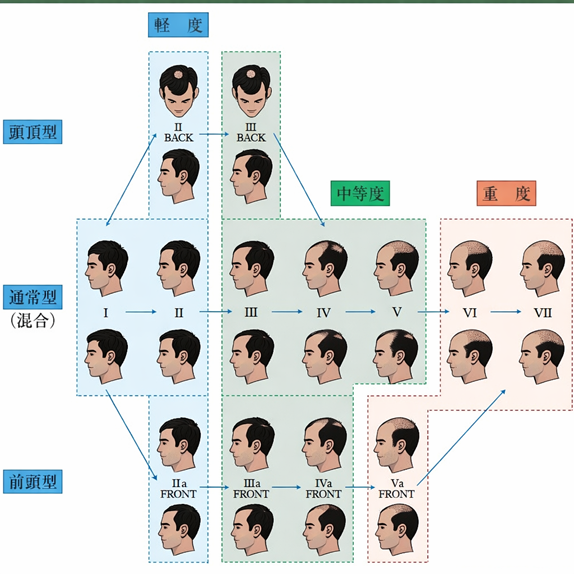
- Those with male pattern AGA at a moderate stage or above (*)
(*) According to the Hamilton-Norwood classification, AGA progresses as shown in the figure below.
It is difficult to notice when the condition is mild, but as it progresses, you will become aware of it due to thinning at the hairline (forehead) and an M-shaped receding hairline (forehead hairline). The final stage is when the hair on the forehead and crown of the head is lost, leaving only the hair on the sides and back of the head.
HARG+ therapy can treat up to stage V.
4)Oral and Topical Medications – “Foundational Treatment” Supporting Injection Therapy –
In AGA/FAGA treatment, oral and topical medications play an important role in stabilizing treatment effects.
Oral medications are mainly used for the purposes of
- slowing AGA progression
- and controlling hair loss
For AGA, it is not recommended to undergo injection therapy alone without treatment to stop progression.
Topical medications are used for the purposes of
- improving blood flow
- maintaining the scalp environment
At Flora Clinic Ikebukuro, a cosmetic surgery and dermatology clinic, we do not offer oral medication or topical medication alone to international patients.
We may prescribe them as combination therapy for patients undergoing iPS Factor, PDF-FD therapy, or HARG+ therapy.
4. The Fundamental Differences Between iPS Factor, PDF-FD Therapy, and HARG+ Therapy
While iPS Factor, PDF-FD Therapy, and HARG+ Therapy—all used for AGA/FAGA treatment—utilize growth factors and cell-related factors, they share the common characteristic of not being “cell-based therapies.”
However, their component origins, manufacturing philosophies, and applicable ranges differ significantly.
At Flora Clinic Ikebukuro, a cosmetic surgery and dermatology clinic, we place great importance on making treatment choices based on a correct understanding of these differences.
1)iPS Factor
iPS Factor is not “regenerative medicine”
It is not a treatment that reintroduces iPS cells themselves into the body. Instead, it is a cell-derived component therapy that focuses on and utilizes intercellular signals, growth factors, and environmental regulatory factors identified during iPS cell research.
iPS Factor is based on the “autologous concept”
in the sense that it utilizes factors created from the patient’s own cellular information.
At Flora Clinic Ikebukuro, we adopt a medical design that connects “current care” with “future preparedness.” This involves using iPS cells created and cultured from the patient’s own blood at the iPS Private Bank as the foundation for future iPS Factor applications.
A key benefit of iPS Factor is that once cultured, the patient’s own iPS cells can be used semi-permanently.
Furthermore, the applications of iPS Factor are not limited to hair loss treatment.
- Scalp (AGA/FAGA)
- Face (Skin Quality/Aging Care)
- Knees/Joints
- Whole Body (Anti-Aging via IV Drip)
A major feature is its potential use for optimizing the cellular environment throughout the entire body.
2)PDF-FD Therapy (C-PRP)
PDF-FD Therapy is also not regenerative medicine.
PDF-FD Therapy is a cell-free formulation obtained by extracting only growth factors from the patient’s own blood and freeze-drying them.
It has the characteristics of:
- Containing no cells
- Being autologous (derived from the patient’s own blood)
- Being less likely to cause an inflammatory reaction
Characteristics of the Manufacturing Process
- Blood Collection
- PRP Component Extraction
- Isolation of Growth Factors Only
- Stabilization via Freeze-Drying
This process enables:
- Component Reproducibility
- Storage Stability
- Planned Treatment Design
to be achieved
With PRP-FD Therapy, one blood draw typically yields enough PDF-FD formulation for two treatments, with a storage period of six months.
The applications of PDF-FD Therapy are not limited to hair loss treatment.
- AGA/FAGA
- Face (skin regeneration/sagging)
- Knee joints
- Infertility treatment
etc. It is widely used as a treatment aiming to improve the tissue environment through growth factors.
3)HARG+ Therapy
HARG+ Therapy is
- a standardized high-concentration growth factor preparation
- designed to stimulate hair follicles
- with the goal of promoting hair growth.
In this regard,
it is a treatment specifically focused on thinning hair and AGA.
- Not autologous
- Fixed formulation components and concentration
- Indications are fundamentally limited to the scalp
Therefore,
- it is a treatment suited for those who
- clearly target hair growth
and wish to focus on thinning hair treatment.
The differences between the three treatments can be correctly summarized as follows.
| Comparison Item | iPS Factor | PDF-FD Therapy | HARG+ Therapy |
|---|---|---|---|
| Cell | Not used | Not used | Not used |
| Component Origin | Autologous iPS Cells | Autologous blood-derived | Standardized preparation |
| Indications | Whole body, face, scalp, knees, etc. | Whole body, face, scalp,knees,infertility, etc. | Limited to thinning hair treatment |
| Individualization | 〇 | 〇 | × |
At Flora Clinic Ikebukuro, a cosmetic surgery and dermatology clinic, we design treatments not by asking “Which is superior?” but by considering “What is the goal, and in what sequence should they be used?”
This approach applies to
- iPS Factor
- PDF-FD Therapy
- HARG+ Therapy
Our Japanese-style treatment design prioritizes safety, suitability, and future potential.
5. Treatment Process
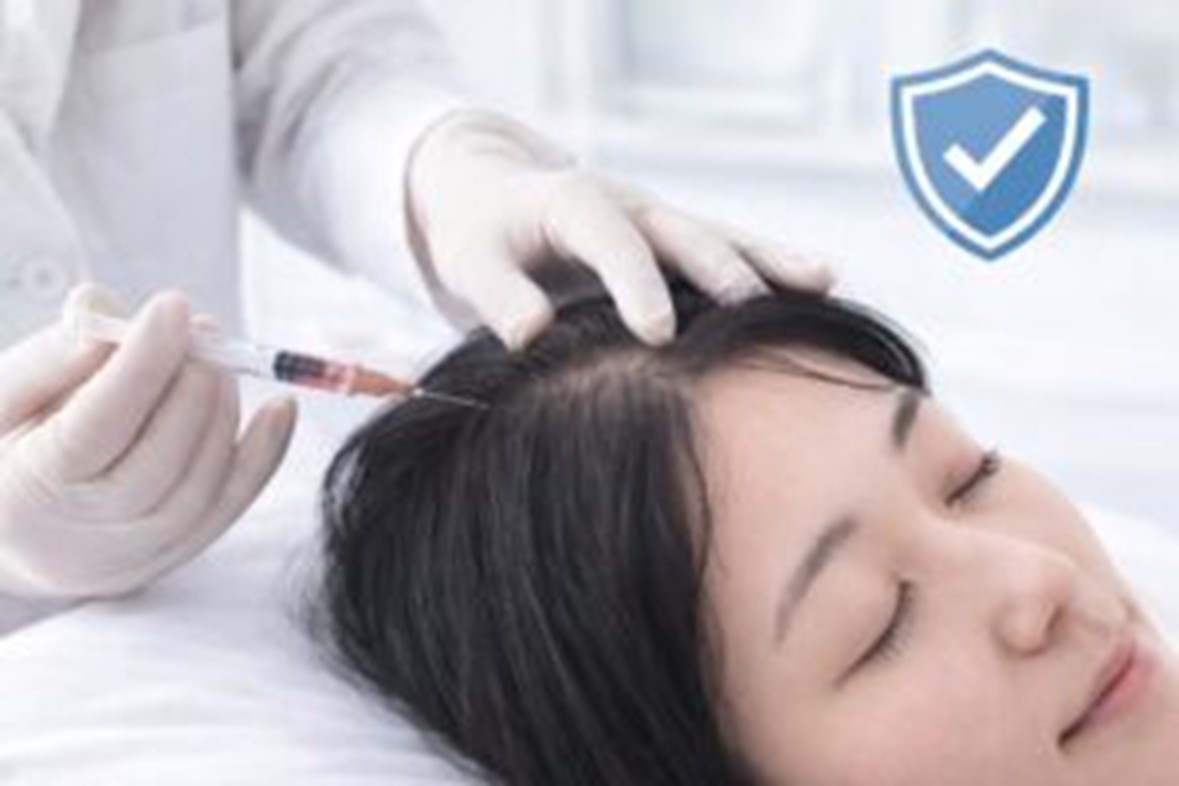
AGA/FAGA treatment outcomes are significantly influenced not only by the treatment itself, but also by the preliminary examination and treatment design.
At Flora Clinic Ikebukuro, a cosmetic surgery and dermatology clinic, we prioritize safety and patient satisfaction throughout the treatment process.
1)Consultation and Examination
First, a consultation and examination by a physician is conducted.
- Degree of hair thinning (determining AGA/FAGA)
- Condition of hair loss, hair thickness and density
- Scalp condition and presence of inflammation
- Previous treatment history and medication history
- Concerns and preferences regarding treatment
are comprehensively assessed.
A key feature is determining not only “which treatments to perform,” but also which treatments to avoid.
For patients visiting from China, we also offer online consultations before their arrival in Japan.
2)Designing the Treatment Approach and Plan
Based on the examination results,
- iPS Factor
- PDF-FD Therapy
- HARG+ Therapy
- Combination of Oral and Topical Medications
We will propose the combination most suitable for your current condition.
At this stage, the physician will carefully explain:
- The role of each treatment
- Expected changes
- HARG+ Therapy
- Estimated number of treatment sessions
- Downtime and precautions
3)Preparation and Anesthesia on the Day of Treatment
If injection therapy is performed, the scalp condition is reconfirmed before the procedure.
As needed,
- surface anesthesia
- or cooling
are applied to proceed with the treatment while minimizing pain and tension.
4)Procedure Implementation
Depending on the treatment plan, the doctor will carefully inject into the scalp.
- The injection volume
- injection sites
- depth and spacing
vary for each individual; we do not perform standardized procedures.
The procedure time is approximately 15 to 30 minutes.
5)Post-Procedure Explanation & Follow-Up
After the procedure, we will explain:
- how to spend the day
- timing for shampooing and styling
- important precautions
Online follow-up is available post-treatment based on progress and changes.

6.Downtime, Precautions, and Ineligible Candidates
While AGA/FAGA treatment involves relatively minimal downtime, important precautions exist for safe treatment.
1)Downtime
iPS Factor / PDF-FD Therapy / HARG+ Therapy (Common)
- Redness at injection sites
- Mild swelling
- Discomfort upon pressure
These symptoms typically subside naturally within a few hours to a few days.
They generally cause minimal disruption to daily life, making treatment feasible even during short stays.
2)Post-Treatment Precautions
Please observe the following precautions after treatment:
- Avoid vigorously rubbing the scalp on the day of treatment
- Follow the physician’s instructions for shampooing
- Refrain from strenuous exercise, alcohol consumption, and saunas on the day of treatment and the following day
- Consult promptly if significant pain or swelling persists
Maintaining cleanliness at the injection site is crucial.
3)Precautions When Using Oral or Topical Medications
When using oral or topical medications concurrently,
- Follow the prescribed dosage and usage instructions
- Understand the potential for side effects
- Consult immediately if you experience any changes in your physical condition
These points are crucial.
At Flora Clinic Ikebukuro, a cosmetic surgery and dermatology clinic, we adhere to the principle of prescribing the absolute minimum necessary medication.
4)Individuals Ineligible for Treatment or Requiring Careful Consideration
The following individuals are ineligible for treatment or require careful consideration:
- Pregnant or breastfeeding individuals
- Individuals with severe pre-existing medical conditions
- Individuals with scalp infections or inflammation
- Individuals with severe bleeding tendencies
- Cases where the physician determines the procedure cannot be performed safely
If you are taking any medications or have a medical history, please inform the physician beforehand.
7.Regarding AGA/FAGA Treatment Fees
AGA/FAGA treatment plans vary based on symptom progression and treatment goals.
Treatment details and costs are finalized after consultation.
At Flora Clinic Ikebukuro (Cosmetic Surgery & Dermatology), we clearly explain cost considerations beforehand and proceed only after your full understanding and agreement.
Estimated Fees for Injection Treatments
| Treatment Methods | Estimated Fees |
|---|---|
| iPS Factor Therapy | Culture Fee:Consultation required Injection Fee:Consultation required |
| PDF-FD Therapy (C-PRP) | 2 sessions per set |
| HARG+Theapy | 1 session |
Oral and topical medications are recommended only when necessary as supplementary treatments to support injection therapy.
At Flora Clinic Ikebukuro, a cosmetic surgery and dermatology clinic,
we do not:
- Unnecessarily recommend expensive treatments
- Unnecessarily increase the number of sessions
We always prioritize ensuring treatments strike a balance between your goals and costs.
The exact cost will be provided during your consultation.
8. Frequently Asked Questions About AGA/FAGA Treatment
Q1. Can I consult about treatment while in China?
Yes, it is possible.
We conduct online consultations using the metaverse before your arrival in Japan, explaining the treatment details, schedule, and downtime in advance.

Q2.Do you treat female hair loss (FAGA) as well as male hair loss?
Yes, we do.
Since female hair loss differs from male hair loss in causes and progression, we design treatments specifically considering FAGA.

Q3.Is iPS Factor a treatment that involves putting cells into the body?
No, iPS Factor is not a treatment that involves putting cells themselves into the body.
It is a component treatment applying insights from iPS cell research.
We cultivate the patient’s own iPS cells, extract and purify the growth factors they secrete, and then inject this cell-free iPS Factor.
Q4.Which treatment is the most effective?
There is no single “most effective treatment.”
The appropriate method varies depending on the stage of progression, age, and treatment goals.
Our doctors will assess your condition and make recommendations.
Q5.Can I receive treatment during a single visit?
HARG+ therapy allows both consultation and treatment to be performed on the same day.
However, for iPS Factor and PDF-FD, only blood collection can be done during the initial visit.
iPS Factor treatment is possible approximately 8 months after blood collection.
PDF-FD therapy can be performed 2-3 weeks after blood collection.
If you wish to stay for a short period, please consult us in advance.
Q6.Can I return home immediately after treatment?
Yes.
Since treatments primarily involve minimal downtime, returning home immediately after treatment is possible.
Q7.Is long-term treatment necessary for results?
This varies by treatment, but AGA and thinning hair typically require ongoing treatment.
Therefore, multiple injection sessions are often necessary.
Injection therapy aims for gradual improvement, with continuation or adjustments made as needed.
9. Finally|For those seeking reliable AGA/FAGA treatment in Japan
AGA/FAGA is a field where early detection and proper management can significantly alter future outcomes.
However, many also feel:
- Overwhelmed by too much information
- Anxious about being pressured into aggressive treatments
- Concerned about safety
At Flora Clinic Ikebukuro, a cosmetic surgery and dermatology clinic, we value the principles of “Avoiding Over-Treatment,” “Preventing Misunderstandings,” and “Considering the Long-Term Future.”
We offer multiple treatment options—iPS Factor, PDF-FD Therapy, and HARG+ Therapy— to ensure each patient receives a personalized approach.
For patients visiting from China, we provide a comprehensive system, from pre-visit online consultations to post-treatment explanations, ensuring a worry-free experience.
“I want to consider not just my current thinning hair, but also the future.”
“I want to receive treatment I can trust using Japanese medical care.”
If this sounds like you, please consider consulting with Flora Clinic Ikebukuro, a cosmetic surgery and dermatology clinic.