

1. Who is PDF-FD (C-PRP) Therapy Recommended For?
PDF-FD (C-PRP) Therapy is a regenerative medicine approach utilizing growth factors derived from the patient’s own blood.
It is recommended for individuals such as:
-
Those who have begun noticing a loss of skin firmness and elasticity with age
Those seeking fundamental improvement in age-related skin changes like fine lines, sagging skin, and loss of firmness.
-
Those prioritizing natural rejuvenation
Those seeking natural changes by enhancing their own regenerative capacity rather than adding volume.
-
Those hesitant about invasive surgery or highly invasive treatments
Those wanting medical-grade anti-aging care while avoiding surgical procedures.
-
Those seeking to enhance the effects of laser, radiofrequency, or HIFU treatments
Those wanting to support skin recovery and regeneration after procedures like pico lasers, RF, or HIFU.
-
Those wanting better results after thread lifts or injectable treatments
Those seeking to promote wound healing and tissue repair to prolong treatment effects.
-
Those prioritizing safety through autologous components
Those wishing to minimize risks of allergies or foreign body reactions.
-
Those considering alternatives to growth factor treatments (e.g., HARG+)
Those interested in autologous blood-derived growth factor therapy rather than pharmaceutical treatments.
-
Those seeking planned anti-aging care
Those desiring ongoing care tailored to skin condition and treatment plans, rather than one-time procedures.

2. What is PDF-FD (C-PRP) Therapy?
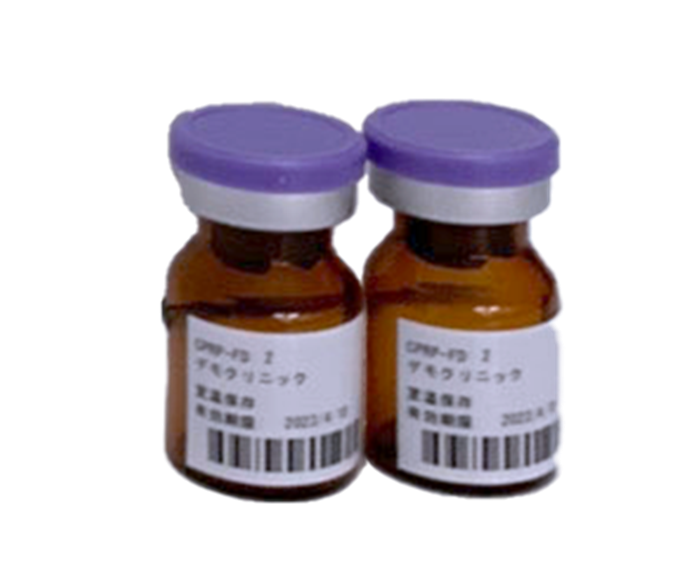
1)Positioning as Growth Factor Therapy
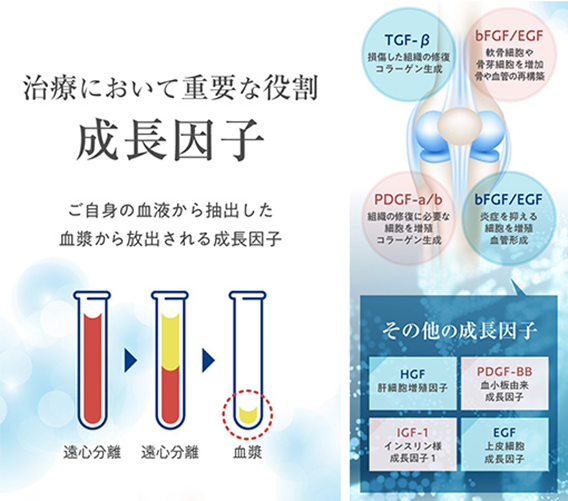
PDF-FD (C-PRP) therapy, an abbreviation for “Plasma Derived Factor – Freeze Dry,” is a treatment utilizing platelet-derived growth factors obtained from the patient’s own blood.
Platelets contain multiple growth factors (PDGF, TGF-β, VEGF, EGF, etc.) involved in repairing skin, hair follicles, and tissues, as well as maintaining homeostasis.
Therapies utilizing these factors are generally positioned as “growth factor therapy.”
In PDF-FD therapy, blood is drawn, processed, and separated. The growth factors contained in the plasma are extracted and used as a freeze-dried powder formulation. A key feature is that it contains no cellular components, allowing for the planned administration of growth factors while minimizing the risk of inflammatory reactions.
At Flora Clinic Ikebukuro, specializing in cosmetic surgery and dermatology, PDF-FD therapy is positioned as a treatment that supports improvement from within by optimizing the skin and hair follicle environment, without relying on devices or medications, for skin beautification and AGA/hair thinning treatments.
2)Differences from PRP Therapy
PRP (Platelet-Rich Plasma) therapy involves drawing blood, centrifuging it to separate the plasma rich in platelets, and administering this liquid plasma on the same day. While widely used in sports medicine, orthopedics, and aesthetic medicine, it has been noted to have limitations such as not being storable and prone to variations in its components.
In contrast, PDF-FD (C-PRP) therapy further removes cellular components (such as white blood cells) from PRP, freeze-drying it into a cell-free formulation centered on growth factors.
This process yields the following characteristics:
- Enhanced stability and reproducibility of components
- Storable, facilitating easier treatment planning
- Reduced risk of cell-derived inflammatory reactions
Therefore, PDF-FD therapy can be positioned as an improved “growth factor therapy emphasizing stability and safety” over PRP therapy.
3)A regenerative medicine-like approach, but not subject to the Regenerative Medicine Safety Assurance Act
PDF-FD (C-PRP) therapy is sometimes described as a “regenerative medicine-like approach” because it aims to improve the tissue environment using growth factors. However, this treatment does not involve the administration of cells themselves into the body.
Therefore, under Japan’s legal framework, PDF-FD therapy does not fall under the category of regenerative medicine subject to the Regenerative Medicine Safety Assurance Act. It is provided solely as a growth factor therapy using autologous blood-derived components.
This distinction does not indicate differences in treatment efficacy but rather reflects differences in the nature of the treatment and its legal classification. At our clinic, we carefully explain this point and then prudently determine suitability based on each patient’s individual condition and goals.
3.Why freeze-dry (FD)?
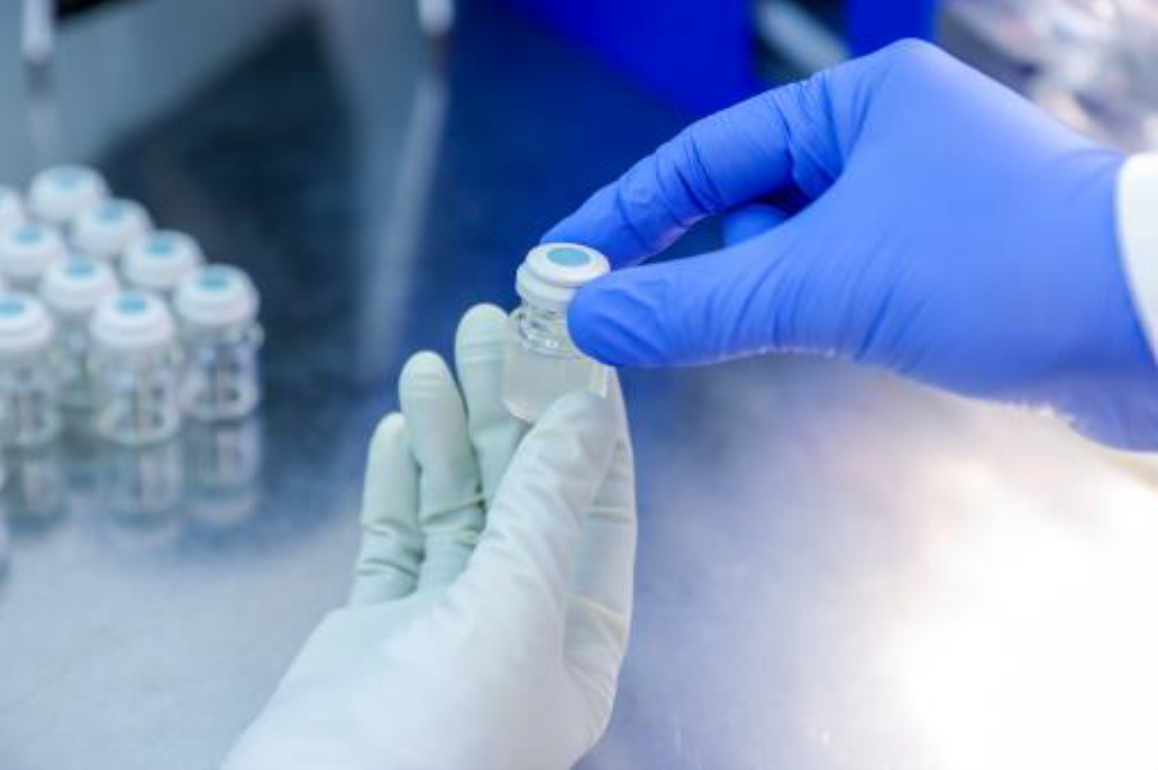
One major feature of PDF-FD (C-PRP) therapy is that growth factors are formulated through a freeze-drying process.
This process is significant not merely for preservation but also for stabilizing treatment quality.
1)Stability of Growth Factors
Platelet-derived growth factors are components whose properties are easily altered by heat, time, and environmental conditions.
PRP therapy required the use of blood on the same day it was drawn, presenting challenges due to its susceptibility to storage and time-related effects.
PDF-FD therapy enables the removal of water and storage of the extracted growth factors in a state that minimizes component degradation through freeze-drying. This is believed to allow for the use of growth factors in a more stable form.
2)Treatment Reproducibility and Quality Uniformity
A critical aspect in medicine is whether the same quality can be maintained as consistently as possible when performing the same treatment.
With PRP therapy, variations in components can occur due to factors like the amount of blood drawn, centrifugation conditions, and the blood’s state on the day of collection.
The freeze-dried PDF-FD formulation offers the advantage of enhancing treatment reproducibility and quality uniformity. This is achieved by processing the components into a consistent form during manufacturing.
This is a crucial factor for physicians when planning treatment and also provides reassurance for patients.
3)The Benefit of Enabling Planned Treatment
Another major advantage of freeze-dried preparations is their long shelf life, allowing flexible scheduling of treatment timing.
Unlike PRP, which must be administered on the same day it is drawn, freeze-dried preparations can be used according to the patient’s physical condition and treatment schedule.
At Flora Clinic Ikebukuro, a cosmetic surgery and dermatology clinic, we leverage this characteristic. We prioritize incorporating PDF-FD therapy systematically into skin rejuvenation treatments and AGA/hair loss treatments, often combining it with other therapies and monitoring progress over time.
The ability to undergo treatment comfortably and continuously is another reason PDF-FD therapy is chosen.
4. Main Features and Effects of PDF-FD Therapy at Flora Clinic Ikebukuro, Cosmetic Surgery and Dermatology Clinic
1)High Safety Due to Autologous Components
PDF-FD Therapy is a regenerative medicine treatment using only components derived from the patient’s own blood. Therefore, the risk of rejection, allergies, infections, and other adverse reactions is considered extremely low.
It is a highly biocompatible treatment, making it an accessible option even for those hesitant about “foreign substance injections” like hyaluronic acid.
2)High Concentration of Growth Factors
Building upon conventional PRP (Platelet-Rich Plasma) therapy, this advanced technology concentrates various growth factors responsible for skin repair and regeneration.
This is expected to more efficiently elicit effects such as anti-inflammatory action, tissue repair, and accelerated skin regeneration.
3)Long-Term Storage via Freeze-Drying
PDF-FD therapy freeze-dries (lyophilizes) the growth factor preparation, enabling storage at room temperature for up to approximately 6 months.
This allows for flexible, planned treatment schedules tailored to the patient’s lifestyle and treatment goals, a significant advantage.
4)Minimally invasive, outpatient treatment with low physical burden
Treatment primarily involves blood collection and injection, eliminating the need for surgery or hospitalization.
With minimal invasiveness and relatively mild downtime, it is a regenerative treatment easily accommodated around work or household responsibilities.
5)High Effectiveness Persistence
While the onset and duration of effects vary individually, sustained results are generally expected for approximately one to one and a half years.
This tends to be longer compared to hyaluronic acid injections, a key characteristic highlighting that this treatment promotes the regeneration of the skin itself rather than providing temporary volume correction.
5. PDF-FD Therapy Indications
At Flora Clinic Ikebukuro, a cosmetic surgery and dermatology clinic, we offer PDF-FD (C-PRP) therapy as an internal anti-aging care option for both skin rejuvenation and AGA/hair loss treatment.
It is not intended as a standalone treatment for dramatic changes. Instead, it aims to enhance and stabilize the effects when combined with existing cosmetic medical treatments or hair loss therapies.
1)Application in Skin Rejuvenation Treatments
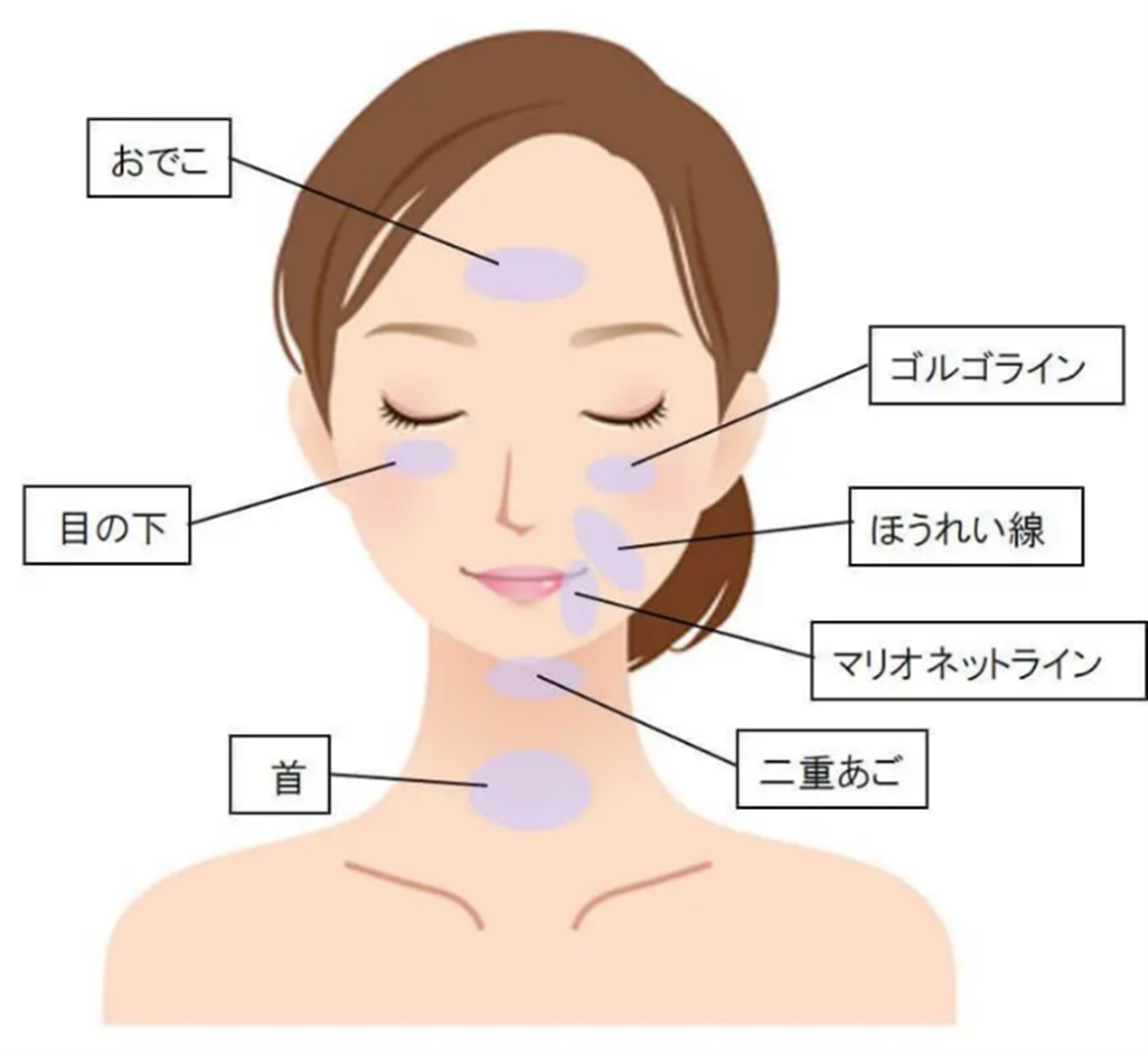
Target Concerns
- Facial sagging (nasolabial folds, marionette lines, jowls)
- Decreased skin firmness and elasticity
- Fine lines and changes in skin texture
- Overall dullness of the skin due to aging
Expected Effects
PDF-FD therapy is expected to support the dermal environment and skin repair processes through platelet-derived growth factors. Our clinic positions this approach not as a method to rapidly transform the skin, but rather as a way to optimize the foundational skin environment, creating conditions conducive to treatment effectiveness.
Our Approach
We do not consider PDF-FD therapy as a standalone treatment. Instead, we explore combining it with the following procedures based on the patient’s needs and requirements:
- Pico Laser (Dullness, Skin Texture Improvement, Acne Scars)
- HIFU (High-Intensity Focused Ultrasound) (Sagging Treatment, Lifting)
- Thread Lift (Facial Contour Lifting, Facial Slimming)
- Hyaluronic Acid Injections/Fillers (Contouring, Volume Correction, Firmness Improvement)
Since these treatments target different layers and have distinct objectives, combining them with PDF-FD therapy helps optimize the post-treatment skin environment and condition of the dermis and subcutaneous tissue. This approach aims to create a state where treatment effects are more stable.
Our clinic emphasizes “customized treatment planning.” We comprehensively evaluate sagging, skin texture, facial contour, age, and prior treatments to combine necessary therapies at the optimal timing.
2)Application to AGA and Hair Loss Treatment

Target Individuals
- Those considered to be in the early to mid-stages of AGA
- Those considering injection therapy but prioritizing ingredients and treatment design
- Those seeking alternatives to HARG+ therapy
Expected Effects
PDF-FD therapy aims to improve the scalp environment and conditions surrounding the hair growth cycle by having growth factors act on the environment around the hair follicles. While it does not guarantee hair regrowth, it is utilized as an environmental improvement approach in thinning hair treatment.
Our Approach
Our clinic positions PDF-FD therapy as one option for “growth factor injection-based hair loss treatment,” similar to HARG+ therapy.
- Individuals for whom the components or formulation design used in HARG+ were unsuitable
- Individuals desiring treatment using autologous blood-derived components
- Individuals prioritizing treatment reproducibility and planning
PDF-FD therapy may serve as an alternative option in such cases.
However, its effectiveness is limited in severe cases where hair follicles have already disappeared, so suitability must be carefully assessed.
3)Individuals for whom PDF-FD therapy is not suitable
- Those strongly expecting immediate results or dramatic changes
- Cases with highly advanced symptoms
- Cases deemed unsuitable following a physician’s examination
6. Safety of PDF-FD Therapy
PDF-FD (C-PRP) therapy utilizes growth factors derived from the patient’s own blood. It is characterized by a component design and treatment process prioritizing safety.
At our clinic, we perform treatments prioritizing safety above all else, not just therapeutic efficacy.
Immunological Safety from Autologous Blood
PDF-FD therapy is manufactured using the patient’s own blood as the raw material, resulting in an extremely low risk of allergic reactions or immunological rejection.
The absence of components derived from others or animals is a significant safety advantage.
Furthermore, the PDF-FD formulation is a cell-free preparation containing no cellular components,
making it less susceptible to the influence of white blood cells and other elements that could potentially cause inflammatory reactions.
These factors contribute to it being a treatment option that can be considered with relative peace of mind.
Potential Side Effects and Downtime
While PDF-FD therapy is minimally invasive, it involves injections and may cause the following reactions:
- Redness, swelling, or mild pain at the injection site
- Bruising
- Temporary discomfort or warmth
These typically subside naturally within a few days.
Significant downtime is relatively uncommon,
though recovery varies depending on individual constitution, injection site, and any concurrent treatments.
Our clinic provides thorough pre-treatment explanations regarding post-procedure precautions and lifestyle restrictions.
The Importance of Physician Supervision
While PDF-FD therapy is designed with safety in mind, it is critically important that it be administered under the appropriate supervision of a physician experienced in anti-aging treatments.
- Determining suitability (symptoms, medical history, physical condition)
- Judgment of injection site, dosage, and method
- Designing combinations with other treatments
- Post-treatment monitoring and follow-up
To comprehensively assess these factors, the involvement of a physician well-versed in aesthetic medicine and hair loss treatment is essential.
7. 治療の流れ・回数の目安
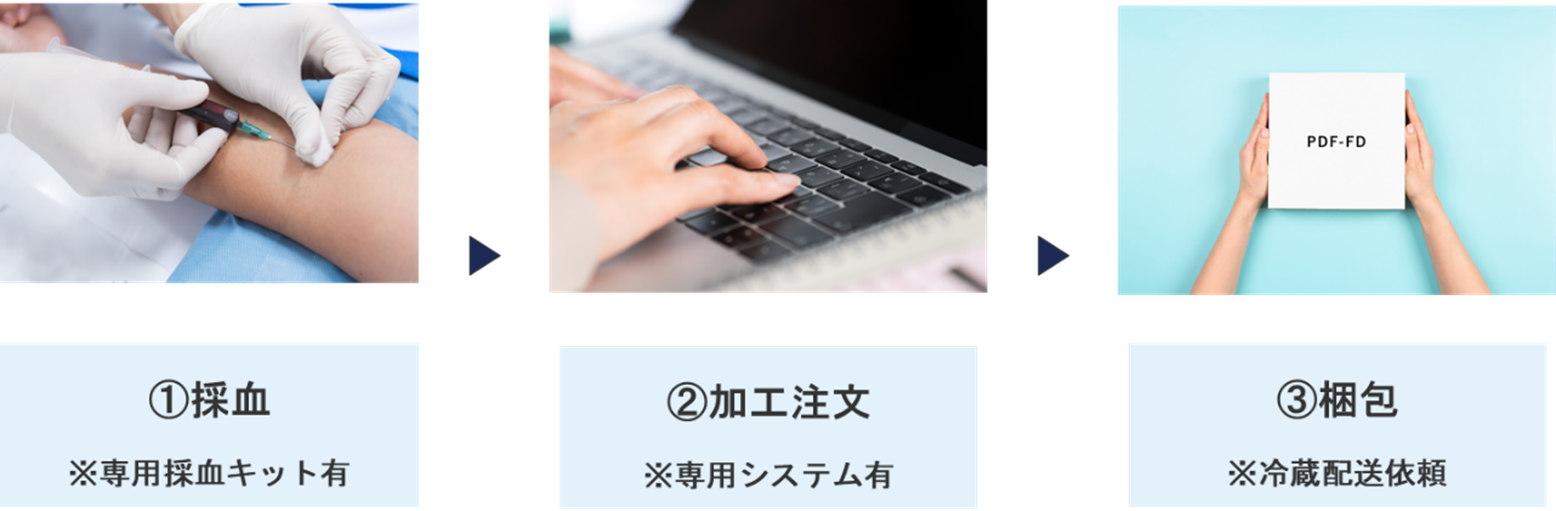
PDF-FD (C-PRP) therapy is a step-by-step treatment conducted under physician supervision, from the initial consultation and counseling to post-treatment follow-up.
At Flora Clinic Ikebukuro, we prioritize a treatment process emphasizing safety and patient satisfaction.
1)Examination and Consultation
First, a physician conducts an examination and consultation.
We carefully assess the condition of your skin and scalp, review your treatment history, lifestyle habits, and treatment expectations,
and make a comprehensive determination regarding the suitability of PDF-FD therapy.
At this stage,we thoroughly explain:
- The treatment objectives
- The expected effects and limitations
- Whether any concomitant treatments are necessary
We proceed with treatment only after you have fully understood and agreed to these points.
2)Blood Collection
Following the consultation, we collect the patient’s own blood.
The blood draw volume is 45cc, comparable to a standard health checkup.
Since autologous blood components are used, the risk of allergies or rejection reactions is considered low.
3)PDF-FD Preparation Manufacturing
The collected blood undergoes a specialized process to extract and concentrate growth factors, resulting in a freeze-dried PDF-FD preparation.
This process takes approximately two weeks after blood collection.
This step enhances the stability of the components and the reproducibility of the treatment.
The formulation can be stored for a certain period (six months), allowing flexible scheduling of treatment timing.
4)Administration (Skin Rejuvenation / Scalp)
The prepared PDF-FD formulation is administered according to the treatment objective:
- Skin Rejuvenation Treatment: Injection into the face, neck, etc.
- AGA/Thinning Hair Treatment: Injection into the scalp
The injection method and site are determined appropriately by the physician, considering symptoms and any concurrent treatments.
Treatment time is relatively short, and care is taken to minimize impact on daily life.
5)Follow-up Observation
After treatment, progress is monitored, and the treatment plan is adjusted as necessary.
The physician provides appropriate follow-up if reactions such as redness or swelling occur.

8.Fees
One blood draw produces two doses of PDF-FD formulation.
| Item | Fee |
|---|---|
| Blood Draw + Processing Fee (6-month shelf life) | ¥176,000 (tax included) (covers 2 treatments) |
| Infectious Disease Screening Fee | ¥16,500 (tax included) |
9. Frequently Asked Questions about PDF-FD Therapy
Q1. What is the difference from PRP therapy?
PRP therapy involves centrifuging the drawn blood and injecting the platelet-rich plasma in liquid form on the same day. In contrast, PDF-FD (C-PRP) therapy uses a formulation where cellular components are further removed from PRP, and the growth factors are freeze-dried.
Therefore, PDF-FD therapy features:
- Emphasis on component stability and reproducibility
- Storable formulation enabling easier treatment planning
- Easier suppression of cell-derived inflammatory reactions
Please understand that rather than one being superior, these are different therapies with distinct treatment objectives and design philosophies.

Q2.How many sessions are needed?
PDF-FD therapy does not have a fixed number of required sessions.
The necessary number varies based on symptom severity, treatment goals, and whether it’s for skin rejuvenation or hair loss treatment.
- Cases where progress is assessed after one session
- Cases where multiple sessions are planned systematically
Both scenarios are possible.
At our clinic, we propose a manageable treatment plan while monitoring your initial response and progress after the first session.

Q3.When can I expect to see results?
PDF-FD therapy is not intended to provide immediate results.
For both skin rejuvenation and hair loss treatment, it may take several weeks to months to gradually notice changes.
However, the timing and degree of perceived effects vary from person to person, and not everyone will experience the same level of change.
Our clinic carefully explains both the potential benefits and limitations before treatment.
Q4.Is insurance applicable?
PDF-FD therapy is **self-pay (out-of-pocket)** and is not covered by health insurance.
Costs vary depending on the treatment content and number of sessions, so we provide detailed information during your consultation.
Q5.Are there cases where PDF-FD therapy cannot be performed? (Contraindications/Precautions)
PDF-FD (C-PRP) therapy is considered a relatively safe treatment using autologous blood components, but it is not suitable for everyone. If any of the following apply, treatment should generally be avoided or requires careful judgment by a physician.
-
Individuals with blood disorders
If you have a condition affecting platelet function or coagulation ability, issues may arise regarding the suitability of preparation or safety during treatment. -
Pregnant or breastfeeding individuals
As sufficient safety data regarding effects on fetuses or infants has not been established, treatment is generally not recommended. -
Individuals with wounds or infections at the treatment site
Treatment should be performed after the wound has healed to prevent worsening inflammation or infection. -
Individuals with abnormal immune function or a history thereof
Predicting immune responses is difficult, which may affect treatment response and safety. -
Individuals with active or progressive autoimmune diseases
Treatment is generally considered contraindicated due to the risk of disease exacerbation or unexpected immune reactions. -
Individuals undergoing immunosuppressive therapy
Careful medical judgment is required, considering reduced treatment response and infection risk. -
Individuals with severe infections
Prioritize stabilizing systemic condition; eligibility will be reassessed after infection is adequately controlled.
Eligibility for PDF-FD therapy is determined after comprehensive evaluation of symptoms, medical history, and physical condition. If you have concerns or pre-existing conditions, always consult your physician beforehand and consider treatment only after receiving thorough explanation.
10. Finally|For those wishing to receive PDF-FD therapy safely in Japan
PDF-FD (C-PRP) therapy utilizes growth factors derived from the patient’s own blood, aiming to optimize the skin and hair follicles’ inherent repair and regeneration environment. While it does not guarantee immediate or dramatic results, it represents a complementary option to existing aesthetic medicine and hair loss treatments, with the potential to enhance the overall quality of care.
At Flora Clinic Ikebukuro, a cosmetic surgery and dermatology clinic, we do not position PDF-FD therapy as a “one-size-fits-all treatment recommended for everyone.” We prioritize incorporating it for those who need it, at the appropriate time, after carefully evaluating the severity of symptoms, treatment history, and future prospects.
Furthermore, as a medical institution in Japan, we place great importance on thoroughly explaining safety, legal status, and treatment limitations, fostering an environment where patients can make informed choices.
For those interested in regenerative medicine-based treatments yet feeling uncertain or hesitant, it is crucial to first confirm through consultation with a specialist whether it is truly the right treatment for them. PDF-FD therapy can be considered one valuable option worth exploring when contemplating future-oriented cosmetic medicine and hair loss treatment.
What is Flora Clinic’s PDF-FD Therapy?
PDF-FD therapy overview
| Procedure Time | Varies depending on the treatment area, but generally about 5–10 minutes. |
|---|---|
| Anesthesia | Nitrous oxide gas and topical anesthesia. |
| Pain / Downtime | Redness may appear immediately after the procedure, but usually subsides within about 1–2 hours. If bruising occurs, it may last for about 1–2 weeks but will gradually improve. |
| Visits | You can experience better results with regular treatments. Further effects typically begin to appear after about 1–2 months. |
| Shower | Allowed from the same day. |
| Bath | Allowed from the same day (from the next day is recommended). |
| Other Precautions | Avoid rubbing or massaging the treated area to prevent irritation. If bruising occurs, cooling the area can help minimize it. |